

TMJ & TMD
in Brentwood, CA
TMJ refers to the temporomandibular joints that connect the lower jaw to the skull. These joints allow you to chew, speak, yawn, and move your mouth smoothly. When the joints or surrounding muscles become inflamed or strained, it can lead to TMJ disorder, also known as TMJ or TMD. Symptoms may include jaw tenderness, clicking or popping sounds, headaches, facial pain, and limited jaw movement.
Our Brentwood dental practice offers custom oral appliances to treat a variety of issues, including TMJ/TMD. Get in touch with our friendly front office team to learn more!
Get in Touch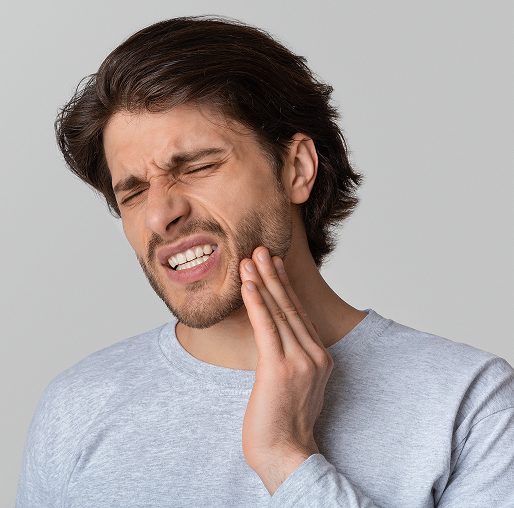
What causes TMJ?
TMJ disorders can develop from a variety of factors that place stress on the jaw joint and surrounding muscles. Common causes include:
- Teeth grinding or clenching (bruxism)
- Jaw misalignment or bite irregularities
- Stress that leads to muscle tension
- Arthritis affecting the joint
- Injury or trauma to the jaw
Is my ear pain related to TMJ?
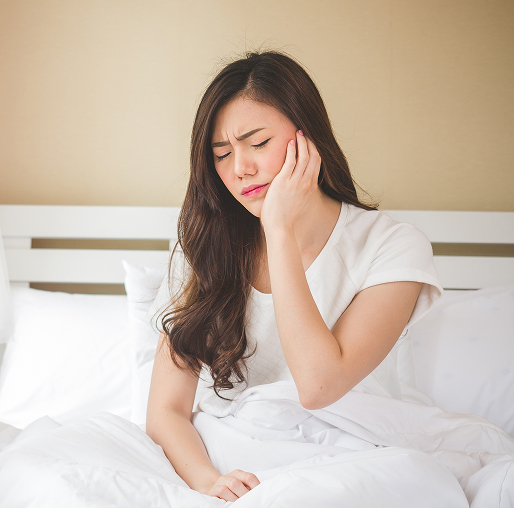
Ear pain is commonly associated with TMJ disorders because the jaw joint sits very close to the ear canal. Inflammation or tension in the joint can radiate pain that feels like an earache, even when no ear infection is present. Some patients also report ringing in the ears, pressure, or dizziness. A thorough dental evaluation can help determine whether your discomfort is related to TMJ.

Does chewing gum make TMJ worse?
Chewing gum can worsen TMJ symptoms, especially if the joint is already inflamed or overworked. Repetitive chewing places continuous strain on the jaw muscles and joints, which may increase soreness, stiffness, and fatigue. For patients experiencing TMJ discomfort, we typically recommend limiting gum chewing and avoiding hard, sticky, or chewy foods to reduce stress and allow the joint to rest and recover.

How is TMJ treated?
TMJ treatment focuses on reducing joint strain, relieving pain, and restoring proper jaw function. In many cases, we recommend a custom oral appliance designed to fit your bite and prevent clenching or grinding during sleep. These appliances help promote healthier jaw alignment and decrease muscle tension. Depending on your symptoms, we may also suggest lifestyle adjustments, bite evaluation, at-home jaw exercises, or coordination with other healthcare providers for comprehensive care.
Schedule TMJ Consultation