
Types of Cavities
May 20, 2026 9:00 am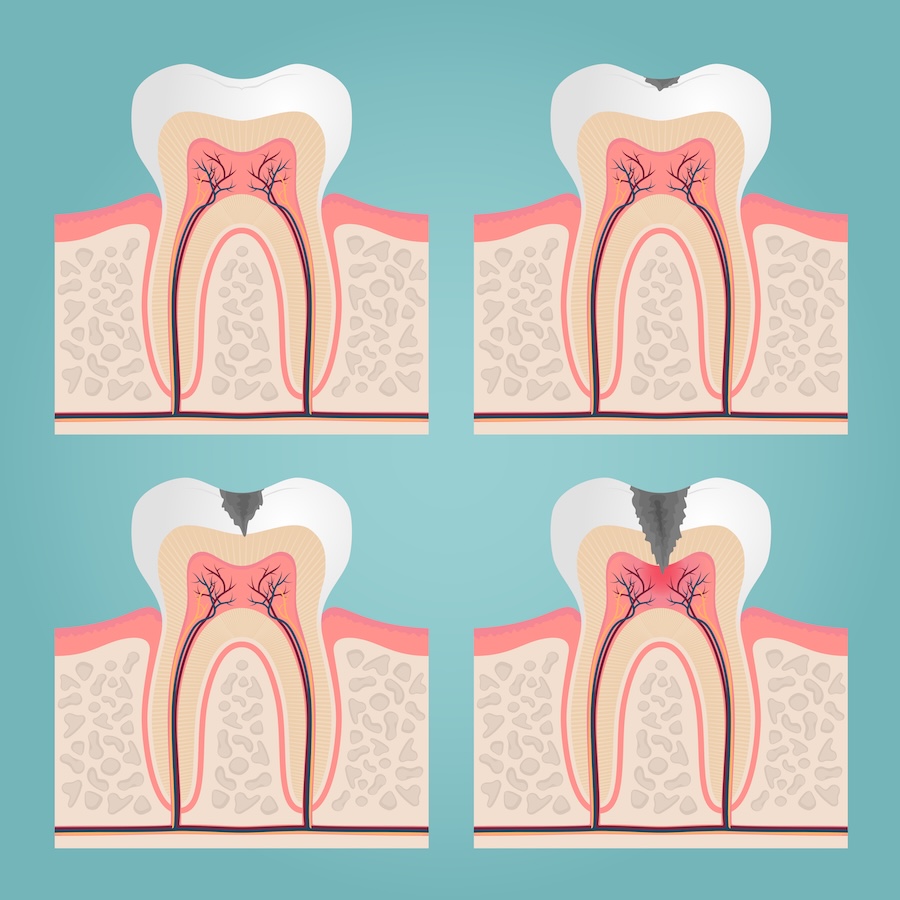
Cavities do not all start in the same place. Some begin in the deep grooves of back teeth where food gets packed in. Others form between teeth where a toothbrush cannot reach well. Some show up near the gumline, while others develop around old fillings or crowns that are no longer sealing the tooth the way they should.
That is why two people can both be told they have a cavity and need slightly different treatment plans. The location, size, and depth of the decay all matter. A tiny cavity on a chewing surface may be treated differently than decay between two teeth or decay near the gumline. Even the way your dentist prepares and restores the tooth depends on where the cavity is and how much healthy tooth structure remains.
At Robert J. Freitas II, DDS, Family Dentistry in Brentwood, CA, Dr. Robert J. Freitas II helps patients understand what kind of cavity they have, how it likely developed, and what can be done to repair the tooth. When decay is caught early, treatment is often simpler, more comfortable, and more conservative.
What a Cavity Actually Is
A cavity is an area of tooth decay where bacteria have damaged the tooth structure. Plaque forms on the teeth every day, and when bacteria in plaque feed on sugars and starches, they create acids. Over time, those acids can weaken enamel and create a damaged area in the tooth.
At first, the damage may be very small. The enamel may lose minerals before a visible hole forms. If the process continues, the surface can break down and become a cavity that needs dental treatment.
Cavities can form on any tooth surface where plaque sits long enough. That includes the chewing surfaces of molars, the areas between teeth, the smooth sides of teeth, exposed roots, and the edges of older dental work.
The earlier decay is found, the more options you may have. In some very early cases, fluoride and improved home care may help strengthen weakened enamel. Once a true cavity has formed, the damaged tooth structure usually needs to be removed and restored with a filling or another dental restoration.
Cavities on the Chewing Surfaces of Back Teeth
Some of the most common cavities form on the chewing surfaces of molars and premolars. These teeth have grooves, pits, and small crevices that help break down food, but those same areas can trap plaque and food particles.
Dentists often refer to these as cavities that form in pits and fissures. They are common in back teeth because toothbrush bristles do not always reach deep into narrow grooves. Even patients who brush well can develop decay in these areas if the grooves are especially deep.
Children and teens are often more prone to this type of cavity as their permanent molars come in. However, adults can get them too, especially if plaque collects in the grooves or if there are older fillings on those chewing surfaces.
Dental sealants may help protect certain back teeth by covering deep grooves and making them easier to clean. If decay has already started, a filling may be needed to repair the tooth and keep the cavity from spreading deeper.
Cavities Between Back Teeth
Cavities can also form between molars and premolars, where two back teeth touch. These areas are difficult to see at home and are often found on dental X-rays before they cause symptoms.
This type of cavity usually develops when plaque and food particles stay between teeth. Brushing alone does not clean those contact areas well, which is why flossing or another between-the-teeth cleaning tool matters.
Because these cavities are hidden, you may not notice anything at first. As the decay grows, you may feel food getting stuck, sensitivity to sweets or cold, or discomfort when chewing. By the time symptoms appear, the cavity may already be larger.
Treatment depends on how far the decay has spread. A small cavity between back teeth may be treated with a filling. If the cavity is deeper or affects more of the tooth, a larger restoration may be needed. Regular X-rays help catch these cavities before they become more involved.
Cavities Between Front Teeth
Cavities can also form between the front teeth. These may be easier to notice once they get larger because the front teeth are more visible, but early decay in this area can still be hard to spot without an exam.
Decay between front teeth may appear as a chalky white area, a brown spot, a dark shadow, or a small rough area. Sometimes patients notice floss shredding or catching in the same spot, which can be a sign that the tooth surface has changed.
Because front teeth show when you smile, treatment in this area often needs to restore both health and appearance. Tooth-colored filling material is commonly used to repair the tooth while blending with the surrounding enamel.
The sooner these cavities are treated, the easier it is to preserve a natural look. Larger cavities between front teeth may require more shaping and bonding to restore the tooth properly.
Cavities on the Smooth Sides of Teeth
Smooth surface cavities form on the flatter outer or inner surfaces of teeth. These areas are usually easier to clean than deep grooves or spaces between teeth, so this type of cavity may develop more slowly. However, it can still happen when plaque stays on the enamel for long periods.
These cavities may appear on the cheek side or tongue side of the teeth. Early on, they may look like a white spot, which can mean the enamel has started losing minerals. As decay progresses, the area may become brown, dark, rough, or visibly damaged.
Smooth surface cavities can be linked to frequent snacking, sugary drinks, dry mouth, poor brushing habits, or wearing appliances that make cleaning more difficult. They may also form near the gumline if plaque is not removed well in that area.
Because this type of decay may progress slowly, regular exams are helpful. Catching it early may allow your dentist to recommend fluoride, improved brushing, or other preventive steps before the tooth needs a larger repair.
Cavities Near the Gumline
Cavities near the gumline can form where plaque collects along the edge of the gums. This area can be easy to miss during brushing, especially if someone brushes too quickly or avoids the gums because they feel tender.
These cavities may show up as dark spots, rough areas, or sensitivity near the gumline. They can affect the enamel near the base of the tooth or, if the gums have receded, the exposed root surface.
Gumline cavities deserve attention because they can spread into areas that are harder to restore. The closer decay gets to the root or below the gumline, the more carefully the tooth needs to be evaluated.
Treatment may involve a tooth-colored filling, fluoride support, gum care, or changes to brushing technique. If gum recession is part of the issue, Dr. Robert J. Freitas II may also talk with you about ways to protect exposed root surfaces from future decay.
Root Cavities
Root cavities form on the root surface of a tooth. This usually happens when the gum tissue has pulled back and exposed part of the root. Unlike the crown of the tooth, the root is not protected by enamel in the same way, so it can be more vulnerable to decay.
These cavities are more common in adults, especially patients with gum recession, dry mouth, a history of gum disease, or difficulty cleaning near the gumline. They can also happen when plaque collects along exposed roots.
Root cavities may cause sensitivity near the gumline, especially with cold drinks, brushing, or sweet foods. Sometimes the area may look darker or feel rough when you run your tongue along it.
Because root surfaces can decay faster than enamel, these cavities should be checked promptly. Treatment may involve a filling, fluoride therapy, gum care, or changes to your home routine depending on the extent of the decay and the health of the surrounding tissue.
Cavities on Cusp Tips or Tooth Edges
Some cavities form on the tips of cusps or along the biting edges of teeth. These areas are less common than chewing-surface or between-the-teeth cavities, but they can happen, especially when enamel is worn, chipped, or weakened.
Cusp tips are the raised points on back teeth that help with chewing. If those areas wear down from grinding, acid exposure, or repeated stress, they may become more vulnerable. Once the enamel is weakened, decay can find a place to start.
Cavities in these areas may be paired with chips, cracks, sensitivity, or a change in how the tooth feels when biting. Because cusp tips handle chewing pressure, restoring them sometimes requires more than a small filling if the tooth has lost strength.
Your dentist will look at how much tooth structure remains and whether the bite is adding stress. In some cases, a filling may work. In others, a crown or other protective restoration may be recommended to keep the tooth from breaking further.
Recurrent Cavities Around Old Fillings or Crowns
A recurrent cavity is decay that forms around an existing filling, crown, or other restoration. This can happen if the edge of the restoration breaks down, a gap develops, or plaque collects around an area that is hard to clean.
Old fillings and crowns can last for many years, but they are not permanent. Over time, chewing pressure, grinding, temperature changes, and normal wear can affect the seal between the restoration and the tooth. Once bacteria get into that edge, decay can begin again.
These cavities are not always easy to spot at home. A filling may look mostly normal, but decay may be forming underneath or along the margin. You might notice sensitivity, food trapping, a rough edge, discoloration, or pain when chewing.
During exams, Dr. Robert J. Freitas II can check old dental work for cracks, leakage, wear, and signs of decay. If recurrent decay is found, the old restoration may need to be replaced. In some cases, a crown may be recommended if the tooth is too weak for another filling.
Early Enamel Decay
Early enamel decay is the stage before a full cavity has formed. You may hear this described as demineralization. At this point, acids have started pulling minerals from the enamel, but the tooth surface may still be intact.
This early stage may look like a white spot on the tooth. It may be most noticeable near the gumline, around orthodontic brackets, or in areas where plaque has been sitting. The tooth may not hurt at all.
The hopeful part is that early enamel changes may be managed without a filling if they are caught soon enough. Fluoride, better plaque control, fewer sugary or acidic snacks, and regular dental visits may help strengthen the enamel.
However, if the weakened area continues to break down, it can become a cavity that needs treatment. Early detection gives patients the best chance to avoid more involved dental work.
Why Some People Get Cavities More Easily Than Others
Some patients brush every day and still seem to get cavities more often than they expect. That can be frustrating, but cavity risk is not based on brushing alone. Several factors can affect how easily decay develops.
Saliva flow, enamel strength, tooth shape, diet, snacking frequency, medications, acid exposure, gum recession, and oral bacteria all play a role. Deep grooves in molars can trap food more easily. Dry mouth can make decay more likely. Frequent sipping on sweet drinks can keep teeth under acid attack for longer periods.
Home care matters, but the timing of sugar and acid exposure matters too. A person who slowly sips soda or sweet coffee throughout the day may have more cavity risk than someone who has the same drink with a meal and then switches to water.
If you feel like you keep getting cavities, a dental visit can help identify your specific risk factors. Once you know the pattern, prevention becomes more targeted and less frustrating.
How Cavities Are Treated
Cavity treatment depends on the type, size, and depth of the decay. Small cavities are often treated with fillings. The decayed portion of the tooth is removed, and the tooth is restored with a material that seals and rebuilds the area.
If decay is larger, a filling may not provide enough support. In that case, a crown may be recommended to protect the tooth. If decay reaches the nerve, root canal treatment may be needed before the tooth is restored.
Early enamel decay may not need a filling right away. Fluoride treatment, improved brushing, flossing, diet changes, and monitoring may be recommended if the tooth surface has not broken down.
The main goal is to stop decay from spreading and restore the tooth in a way that fits the damage present. The sooner a cavity is found, the more conservative treatment can often be.
How to Lower Your Risk of Cavities
Preventing cavities starts with daily cleaning. Brush twice a day with fluoride toothpaste and floss once a day to remove plaque between teeth. If floss is difficult, your dental team may recommend floss picks, interdental brushes, or a water flosser.
Diet also plays a big role. Sugary snacks, soda, sports drinks, sweet coffee drinks, and frequent grazing can increase cavity risk. It is not only the amount of sugar that matters, but how often your teeth are exposed to it throughout the day.
Drinking water, especially after meals and snacks, can help rinse the mouth. Chewing sugar-free gum may also help stimulate saliva for some patients. For people with dry mouth, your dentist may recommend specific products or strategies to reduce decay risk.
Regular dental visits help catch cavities early and remove tartar that cannot be cleaned at home. Sealants, fluoride treatments, and personalized prevention advice may also be recommended based on your risk level.
Cavity Treatment in Brentwood, CA at Robert J. Freitas II, DDS, Family Dentistry
There are several types of cavities, and each one can tell your dentist something about how decay is developing. Cavities may form in chewing grooves, between back teeth, between front teeth, on smooth tooth surfaces, near the gumline, on exposed roots, on cusp tips, or around older dental work.
At Robert J. Freitas II, DDS, Family Dentistry in Brentwood, CA, Dr. Robert J. Freitas II helps patients understand what type of cavity they have and what treatment makes the most sense. Whether the solution is fluoride monitoring, a filling, a crown, or a larger treatment plan, the goal is to protect the tooth and prevent the decay from spreading.
If you have sensitivity, food getting stuck, a dark spot, an old filling that feels rough, or it has simply been a while since your last exam, schedule a visit. A careful dental checkup can help find cavities early and keep your smile healthier over time.
FAQs
What are the main types of cavities? The main types include cavities on chewing surfaces, cavities between back teeth, cavities between front teeth, smooth surface cavities, gumline cavities, root cavities, cavities on cusp tips, and recurrent cavities around old fillings or crowns.
Are cavities between teeth harder to find? Yes, cavities between teeth are often hidden where teeth touch. They may not be visible in the mirror and are commonly found with dental X-rays during routine exams.
What type of cavity forms in molar grooves? Cavities in molar grooves are often called pit and fissure cavities. They form on the chewing surfaces of back teeth where plaque and food can collect in deep grooves.
Can a cavity form around an old filling? Yes, decay can form around an old filling or crown if the edge no longer seals well or if plaque collects around the restoration. This is called recurrent decay.
Can a cavity go away on its own? Once a true cavity has formed, it will not heal on its own. Very early enamel weakening may improve with fluoride and better home care, but a hole in the tooth usually needs a filling or another restoration.
How do I know what type of cavity I have? You may not be able to tell at home. Your dentist can identify the type of cavity through an exam, X-rays, and by checking the location and depth of the decay.
Contact UsCategorised in: Dental Tips, Oral Hygiene, Restorative Dentistry